
WHY CHOOSE US?
MOST POPULAR TOURS

Code: ISK3-2024
Operator: Globus Tours

Code: SRE2-2024
Operator: Globus Tours

Code: SRE-2024
Operator: Globus Tours


INTEREST







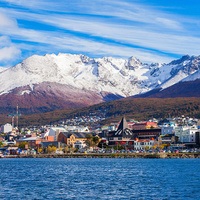







South America travel options
Discover South America Tours & Vacation Packages 2024, 2025
Discover the Wonders of South America in 2024 & 2025
Welcome to a land of natural beauty, rich culture, and grand adventure. As interest grows in visiting this incredible region, we specialize in crafting life-enriching South American vacations. Discover why 2024 and 2025 are the perfect years to book an escorted tour or small ship cruise to Machu Picchu, Patagonia, the Amazon, and beyond.
The years ahead bring exciting developments, making South American travel easier and more fulfilling than ever. New tours unlock hidden gems - go beyond the icons to experience wildlife, food, art, and nature alongside knowledgeable local guides. Journey off the beaten path to the Atacama Desert's flowering desert, discover Colombia's transformed cities, witness Darwin's Galapagos as his bicentennial approaches, and so much more.
Iconic Attractions Reimagined
Revered sights like Machu Picchu continue to unveil new secrets, thanks to ongoing archaeological work reshaping how we understand these ancient civilizations. Time your 2024 or 2025 visit to coincide with special events at iconic attractions. Highlights include indigenous festivals honoring Andean traditions, Darwin celebrations in the Galapagos, and Rio's epic Carnival spectacle.
Hidden Gems Beckon
Venture beyond the well-trodden routes to uncover emergent destinations that retained their local charms. Wander colonial Cartagena's cobbled streets, relax at a Brazilian eco-lodge deep in the Amazon, and discover underground wineries in Uruguay's up-and-coming wine region. Pristine Patagonia calls outdoor enthusiasts to tackle Torres del Paine's sweeping vistas. Or witness Venezuela's Venezuela's grandest waterfalls, which are accessible again after years of being off-limits.
Cuisine Takes Center Stage
The world is catching up to what locals have known– South America sets a high bar for phenomenal food and drink. Peruvian and Brazilian fare shine on the global gastronomy stage, while Argentina's Mendoza Valley cements itself as a world-class wine destination. Food-focused tours let you dive deep into each nationality's unique ingredients and preparations, from street food to Michelin stars.
Adventure Awaits
Whether you want a cultural city stopover or an action-packed expedition into raw wilderness, South America delivers adventure. Sign up for tours combining hiking, boating, rafting, wildlife encounters, and more. Trek to mist-veiled ruins, observe magical creatures in the Amazon and Galapagos, take a road trip between Patagonia's national parks, or channel your inner Indiana Jones exploring lost worlds.
Journey Through Living History
While the land itself feels timeless, human history here spans over 20,000 years, from ancient societies to painful recent conflicts. Travel respectfully through living cultures, appreciate UNESCO sites like Peru's Sacred Valley, and learn from local guides who are direct descendants of Incas and other indigenous tribes. Watch history continue unfolding in once-off-limits destinations like Colombia, which is now revitalized.
When to Visit
The best time to take a South America Tour is during the summer months, between December and March. But intriguing festivals, sights, and climates vary across this vast continent. The high season brings ideal weather yet the largest crowds and prices, while shoulder months see fewer visitors and lower costs. We customize tours accounting for regional differences, events, and your priorities. And suggest how to avoid rainforests during wet season downpours!
Travel Styles
With so much diversity across landscapes, cultures, and attractions, a one-size-fits-all vacation won't do. Select tours catering specifically to your travel style for maximum enjoyment. Families frolic on kid-friendly Ecuador and Brazil itineraries while cruises pamper guests exploring Patagonia's fjords. Adventurers chase adrenaline fixes through the Andes, while wildlife enthusiasts embed alongside scientists in the Amazon. Solo travelers find small group tours perfect for making friends who share their passions.
Knowledgeable Local Guides
In this age of social justice and conscientious travel, the best tours tap local expertise instead of outsider assumptions. We connect visitors with talented guides from the communities visited, whose personal insights deeply enrich your experience. Building mutual understanding lays the foundation for uplifting, sustainable tourism. And fosters longer-lasting impacts after your journey home.
Getting There Just Got Easier
In response to surging visitor numbers in coming years, North American and European routes expanded to connect South America better. Major airlines and airport upgrades add direct flights and improved regional connections. Travelers spending longer in South America can now immerse deeper thanks to fewer exhausting connections en route. Planning multi-country itineraries feels seamless, with flexible flights between bucket-list destinations.
Great Deals Await
Between convenient flight paths and very favorable currency exchange rates, South America offers outstanding affordability that savvy 2024/2025 travelers can leverage. The U.S. dollar and Euro recently hit historic highs against currencies across South America, slashing trip costs substantially. For once-in-a-lifetime experiences on a budget, value-conscious visitors find dream vacations here attainable without sacrificing quality.
We Are South America Experts
With so much to see and do across this dazzlingly diverse continent, expert guidance makes trip planning here effortless. As South America specialists, we meticulously craft customized group or private tours matching your interests, timeline, and budget. Our decades of expertise mean we plan your vacation right and then handle all logistics, allowing you to savor each moment. Contact us today so we can start crafting your ideal 2024 or 2025 South America itinerary! We know and love South America, from the mighty Andes to samba-filled Rio, the Amazon to Patagonian wine country. Let us show you the South America we love.





Reviews

Richmond, CA
Fort Lauderdale, FL
Latest From Our Blog

Animals You Can See On The Galapagos Islands